

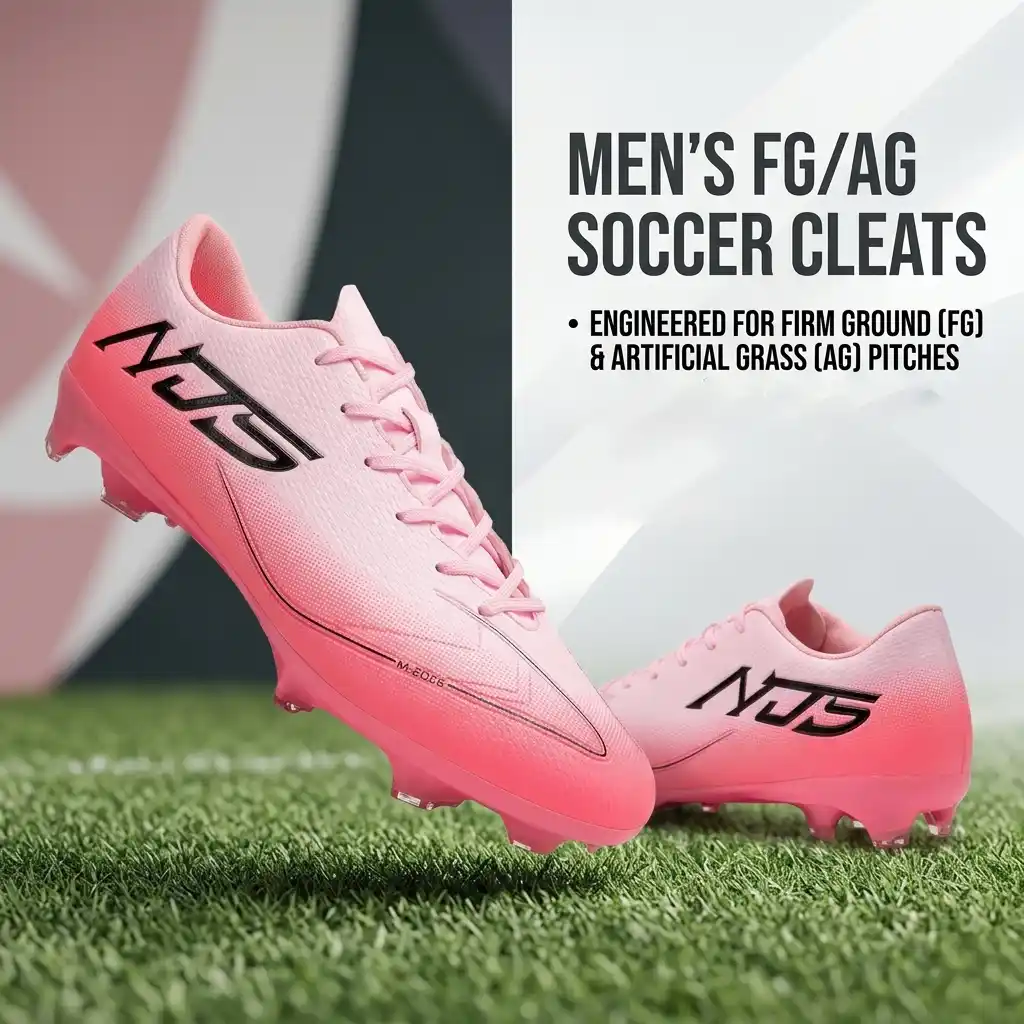
For competitive football players and endurance athletes, elite performance is usually measured in split-second movements. It is the sudden deceleration before a sharp lateral cut, the explosive launch on an artificial turf field, or the force transfer required to strike a ball cleanly. To achieve these feats, athletes heavily invest their time and money into high-performance footwear like high-top hybrid soccer cleats, which lock down the ankle and bite aggressively into the grass.
However, a dangerous blind spot exists in modern athletic training. Most players believe that their athletic preparation ends the exact moment they untie their field boots in the locker room.
From a physiological and biomechanical standpoint, what you put on your feet after severe exertion is just as critical to your speed and injury resilience as the shoes you wear during the match. Your foot’s arch is a dynamic shock absorber. When subjected to hours of intense pounding on hard grounds, it undergoes micro-trauma that alters your entire lower-body alignment.
To maintain peak agility and avoid chronic overuse injuries, athletes must understand the direct structural connection between on-field athletic traction and off-field orthopedic foot recovery.
The Kinetic Chain: How Foot Fatigue Translates to Knee and Hip Strain
To understand why post-game footwear matters so deeply, we have to look at the kinetic chain of the human body. Your feet are not isolated structures; they are the literal foundation of your entire skeletal framework. Every pound of force generated when your heel strikes the ground travels upward through your ankle, into your knee joint, up to your hips, and finally stabilizes in your lower back.
During a ninety-minute training session or match, your feet absorb up to three to four times your body weight with every explosive stride.
Specialized footwear, such as Mens Professional Outdoor Soccer Cleats, are specifically built to withstand these intense lateral and linear forces. Features like a high-top silhouette provide structural compression that wraps the ankle, shielding your ligaments from unpredictable rolls during multi-directional cuts. Meanwhile, advanced multi-shaped traction plates ensure that you don’t waste energy slipping on varying surfaces.
But what happens when you step out of that highly protective, structured environment?
The moment you remove your cleats and step flat onto a hard locker room floor, concrete sidewalk, or hardwood home surface in flat flip-flops or bare feet, you expose an exhausted, micro-stretched plantar fascia to unyielding, flat surfaces. Without targeted orthopedic support, your arch collapses slightly under your weight. This inward collapse—known as overpronation—forces your tibia and femur to rotate internally, putting immediate, unnatural twisting stress on your knees and hips.
The Physiology of Post-Match Arch Collapse
The human foot contains a complex web of connective tissue called the plantar fascia, which runs along the bottom of the foot, connecting the heel bone to the toes. This tissue acts exactly like a bowstring, maintaining the structural integrity of your foot’s natural arch.
When you play football or engage in high-impact sprinting, this bowstring stretches and snaps back repeatedly to absorb impact and return kinetic energy back into your stride. However, by the end of a strenuous game, these tissues experience deep muscular fatigue and minor inflammation.
If you do not actively relieve this tension post-game, several structural complications begin to settle in:
- Plantar Fascia Micro-Tears: Walking completely flat or barefoot on hard surfaces while your muscles are fatigued forces the connective tissues to over-stretch, leading to chronic morning heel pain.
- Reduced Explosive Power: An unrecovered, stiff arch loses its elasticity. When you step back onto the pitch for your next session, your foot cannot store and release energy efficiently, decreasing your vertical leap and sprinting acceleration.
- Chronic Tightness in the Calf Complex: A collapsing arch pulls hard on the Achilles tendon, causing your calf muscles to tighten up, which drastically limits your ankle mobility during fast cuts.
Redefining Recovery: Active Orthopedic Support vs. Passive Rest
For decades, the standard advice for post-game soreness was passive rest—simply sitting on a couch and elevating the legs. Modern sports science has definitively disproven this approach in favor of Active Recovery. Active recovery involves keeping blood flowing through targeted, low-impact movements to flush out metabolic waste and deliver oxygen-rich blood directly to damaged muscle fibers.
This is where specialized Womens Arch Support Sandals and active recovery slides transform the recovery cycle. True recovery footwear is not just “soft.” It is a highly precise piece of medical and biomechanical engineering designed to lift and stabilize the foot:
- Biomechanical Arch Alignment: Instead of letting the foot flatten out completely, a contoured footbed mimics the natural curve of a healthy arch. By physically holding the arch in its optimal position, it unloads the tension on the plantar fascia, giving the tissue the exact structural environment it needs to heal overnight.
- Deep Heel Cupping: Specialized recovery slides feature deep, recessed heel cups. This design cradles the fatty pad beneath your heel bone, maximizing your body’s natural shock absorption and stabilizing the rearfoot against unnatural lateral wobbles as you walk.
- Responsive Shock Absorption: Walking on unforgiving concrete or tile floors sends shockwaves straight into your joints. Advanced wellness sandals utilize low-profile, high-energy-return foam structures that transform hard concrete into a plush, low-impact surface, significantly lowering overall body fatigue.
The Professional Athlete’s 24-Hour Footwear Blueprint
To completely eliminate foot fatigue and safeguard your joints from long-term wear and tear, you need to view your shoe selection as a complete 24-hour cycle. Performance and recovery are two sides of the very same coin.
[ ON-PITCH PHASE ]  --> High-Top Hybrid Cleats (Ankle Stability + Explosive Grip)
       │
       ▼
[ OFF-PITCH PHASE ] --> Orthopedic Recovery Slides (Arch Lift + Joint Shock Absorption)
- The Active Phase (On the Pitch): Equip your feet with high-top, lightweight AG/FG boots. Tie them securely to ensure the textured lockdown system prevents any internal foot sliding, allowing you to cut and accelerate with zero distraction.
- The Transition Phase (Locker Room to Home): Immediately upon removing your boots, step directly into an active, open-toe recovery sandal. This provides your tired arches with instant stabilization, allowing your lower body to begin aligning its kinetic chain while you travel home.
- The Lifestyle Phase (Daily Errands & Low-Impact Walking): When navigating your off-days, long walks, or weekend errands, choose a stylish, minimalist orthopedic walking sandal. This maintains your foot alignment through daily life without sacrificing your modern aesthetic style.
Invest in Your Foundation
Your athletic output is only as strong as your foundation. Forcing your feet to switch from the heavy, rigid demands of competitive sports cleats directly onto completely flat, unsupportive daily footwear is a recipe for chronic injury, alignment issues, and premature muscle fatigue.
By bridging the gap between on-field gear and off-field orthopedic recovery support, you can train harder and protect your joints, as outlined in the NINIKUA collections.
Leave a Reply